
Why Your Website's Structure Matters for SEO
Many Australian small business owners spend time and money on content, only to wonder why Google still isn't ranking their site. Often, the problem isn't the content itself, it's how the website is organised and connected. Your site structure is the blueprint that tells search engines what your business is about, which pages matter most, and how everything fits together.
A clear, logical structure doesn't just help Google, it also helps real visitors find what they need faster, which means more enquiries and more sales for your business.
What Is Website Site Structure?
Site structure refers to how your web pages are organised and linked to one another. Think of it like the layout of a physical shop. If products are scattered randomly with no signage, customers leave frustrated. A well-structured website groups related content logically, making it easy for both users and search engines to navigate.
There are two key elements to site structure:
- URL hierarchy, how your page addresses are organised (e.g. yoursite.com.au/services/plumbing/)
- Internal linking, how pages on your site link to each other
The Ideal Structure for a Small Business Website
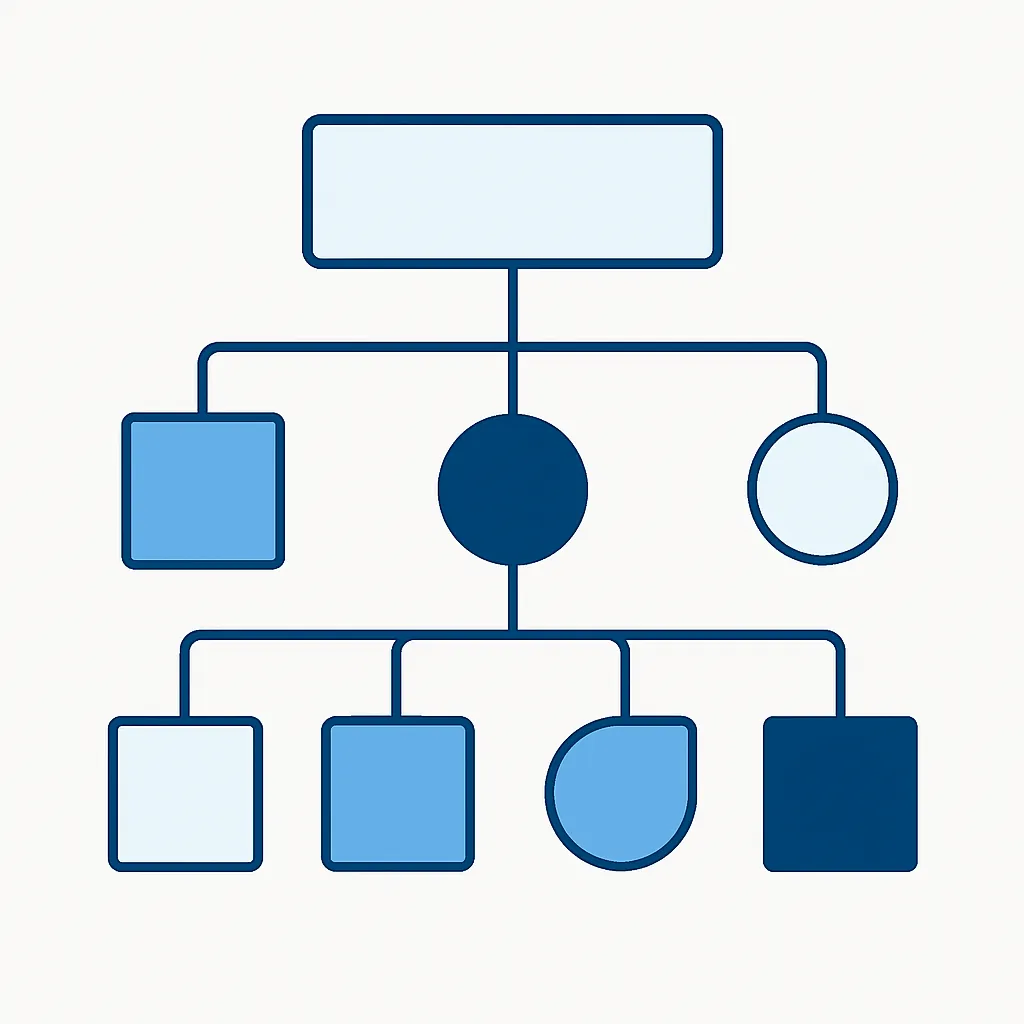
For most Australian small businesses, a simple flat structure works best. This means every important page is no more than two or three clicks from your homepage. Here's a practical example of how to organise your pages:
- Homepage, your main landing page, linking to all key sections
- Services, a parent page linking to individual service pages (e.g. Plumbing, Gas Fitting, Drainage)
- Locations, if you serve multiple areas, create a page for each (e.g. Brisbane, Gold Coast)
- About, your story, team, and credentials
- Blog, supporting content that links back to your service pages
- Contact, your enquiry form, phone number, and address
Avoid burying important pages too deep. If Google has to click through five layers to find your main service page, it may not rank it well at all.
How to Use URLs to Signal Relevance
Your URLs are one of the first signals Google reads. Keep them short, descriptive, and relevant. For example:
- Good: yoursite.com.au/services/electrician-brisbane
- Avoid: yoursite.com.au/page?id=47
Use lowercase letters, hyphens between words, and include your primary keyword where it makes sense. Australian businesses targeting local areas should include the suburb or city in the URL when creating location-specific pages.
Silo Your Content by Topic
A powerful SEO technique is called content siloing, grouping related pages together so Google understands your topical authority. For example, if you're a landscaping business, you might have a 'Landscaping Services' parent page with child pages like 'Garden Design', 'Lawn Care', and 'Retaining Walls'. Your blog posts about gardening tips would then link back to those service pages.
This tells Google: 'This website is an expert in landscaping.' The more clearly you signal your expertise through structure and internal links, the better your chances of ranking for competitive local search terms across Australia.
Avoid These Common Structural Mistakes
Australian small business websites often fall into the same traps. Watch out for these issues:
- Duplicate content, avoid creating nearly identical pages for different suburbs without meaningfully different content
- Orphan pages, pages that aren't linked from anywhere on your site, making them invisible to Google
- Too many top-level pages, cramming everything into the main navigation creates confusion for users and dilutes SEO value
- No clear hierarchy, if your homepage doesn't clearly link to your most important pages, Google may not prioritise them
Use Your Homepage as the Authority Hub
Your homepage typically earns the most links and authority over time. Make it work harder by linking clearly to your most important service pages. Don't waste that authority by only linking to generic pages like 'About Us'. Every link from your homepage passes SEO value, so be deliberate about where those links point.
Check Your Structure with Free Tools
You don't need to be a technical expert to audit your site structure. Tools like Google Search Console can show you which pages Google has indexed. A free crawler like Screaming Frog (up to 500 pages free) lets you map out your entire site and spot orphan pages, redirect issues, and deep-buried content. Even drawing a simple diagram of your pages and how they connect can reveal problems you hadn't noticed.
Get Your Site Structure Right From the Start
Whether you're building a new website or refreshing an existing one, getting your site structure right is one of the highest-return SEO investments you can make. It sets the foundation for everything else, your content, your local SEO, and your Google rankings. If you'd like help planning a smart, SEO-friendly structure for your business, explore our website design for small business options and see how we can build something that works hard for you from day one.