
Why Colour Is One of Your Website's Most Powerful Tools
When an Australian customer lands on your website, they form an opinion in under a second. Before they read a single word, before they click a single button, they feel something. That feeling is driven largely by colour. Colour psychology is the study of how hues influence human behaviour and emotion, and it is one of the most underestimated tools in small business website design.
Whether you run a tradie business in Brisbane, a café on the Gold Coast, or a consulting firm in Canberra, the colours you choose for your website are silently communicating your brand values to every visitor. Getting it right can mean the difference between a bounce and a booking.
What Different Colours Communicate to Australian Customers
Colour associations are shaped by culture, industry, and context. Here is a practical breakdown of what common colours tend to signal to Australian audiences:
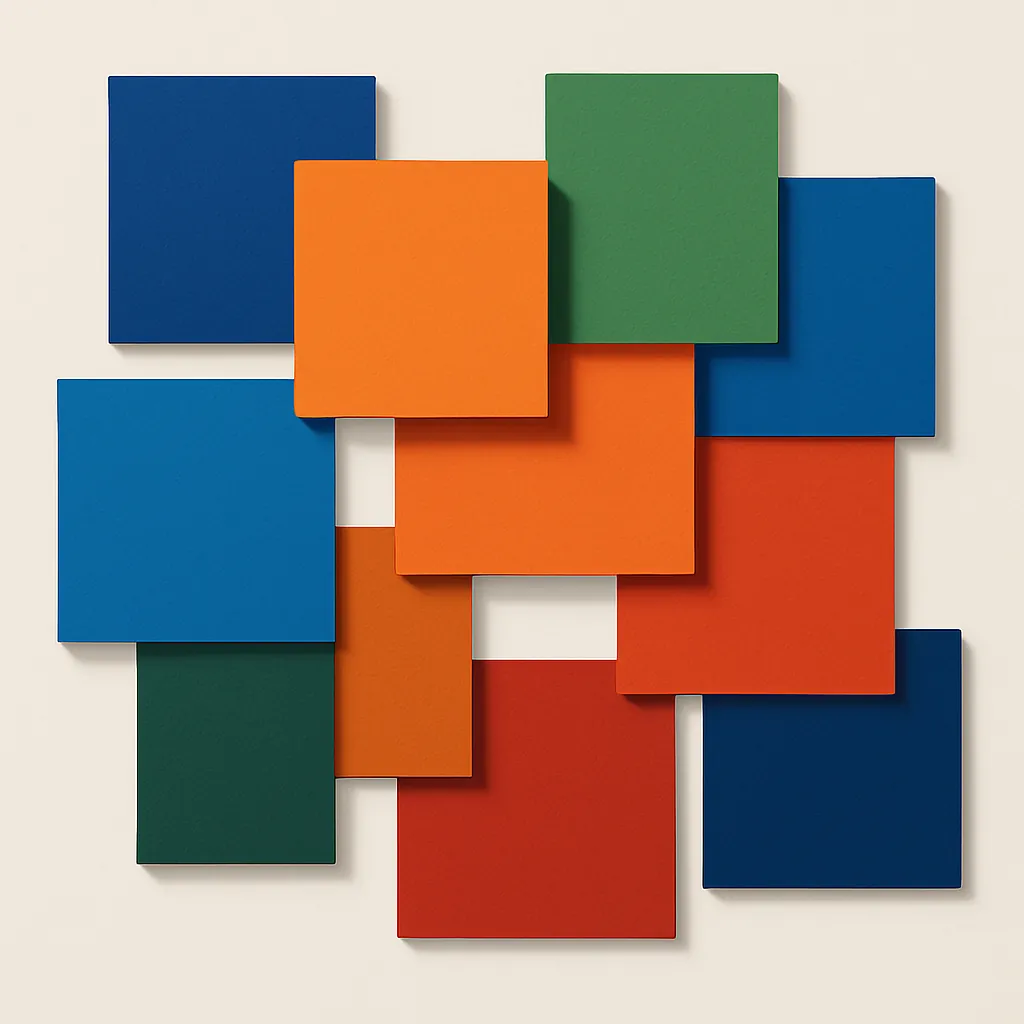
- Blue: Trust, reliability, professionalism. Used widely by banks, tech companies, and healthcare providers. Ideal for businesses where credibility matters most.
- Green: Health, nature, sustainability, and money. Works well for eco-conscious brands, health and wellness businesses, and financial services.
- Orange: Energy, friendliness, and urgency. A great accent colour for calls to action, the 'Get a Quote' button that actually gets clicked.
- Red: Urgency, passion, and appetite. Popular in food and hospitality, and effective for sale announcements or limited-time offers.
- Yellow: Optimism and warmth, but can feel overwhelming in large doses. Best used sparingly to draw attention.
- Black: Luxury, sophistication, and authority. Suits premium or high-end brands in fashion, finance, or design.
- White: Cleanliness, simplicity, and space. Widely used as a background to let other elements breathe.
The Psychology Behind Call-to-Action Buttons
Your call-to-action (CTA) button, whether it says 'Book Now', 'Get a Free Quote', or 'Contact Us', is arguably the most important element on your page. Colour plays a huge role in whether people actually click it.
Research consistently shows that orange and green buttons tend to outperform others in many industries because they create contrast and suggest forward movement. The key principle is contrast: your CTA button needs to stand out from the background and surrounding elements. A blue button on a blue website is invisible. An orange button on a white or dark background demands attention.
Test different colours for your CTAs using A/B testing tools. Even a small change from grey to orange has been shown to increase click-through rates significantly.
Industry-Specific Colour Choices for Australian Businesses
Your industry context matters when choosing a colour palette. Here are some practical examples relevant to Australian small businesses:
- Tradies and construction: Strong blues, greys, and blacks signal reliability and strength. Avoid pastel or overly playful palettes that may undermine trust.
- Restaurants and cafés: Warm reds, oranges, and earthy browns stimulate appetite and create a welcoming feel. Minimalist whites work well for high-end dining.
- Health and wellness: Soft greens, blues, and whites create calm and communicate care. Avoid harsh or aggressive colours.
- Professional services (lawyers, accountants, consultants): Navy blue, charcoal, and white signal authority, honesty, and professionalism.
- Retail and ecommerce: Colour choices depend on your target audience. Youth-focused brands can use bold, vibrant palettes, while premium or boutique retailers often lean into neutral tones with a single bold accent.
Choosing a Colour Palette That Works Together
Most small business websites work best with a palette of three to four colours: a primary colour (your dominant brand colour), a secondary colour (used for accents and supporting elements), a neutral (white, grey, or cream for backgrounds), and an action colour (for buttons and links, designed to stand out).
Tools like Adobe Colour, Coolors, and Canva's colour palette generator can help you find combinations that are visually balanced and harmonious. If you already have a logo, work from those brand colours outward to keep everything consistent.
Avoid These Common Colour Mistakes
Many small business websites undermine themselves with avoidable colour mistakes. Watch out for:
- Too many competing colours: Using five or more bold colours creates visual chaos and confuses the eye.
- Poor contrast: Light grey text on a white background is nearly impossible to read, especially on mobile devices in bright Australian sunshine.
- Ignoring accessibility: Around 1 in 12 Australian men experience some form of colour blindness. Tools like the WebAIM Contrast Checker help ensure your colour choices are accessible to all users.
- Inconsistency across pages: Your colours should remain consistent from your homepage through to your contact page. Inconsistency erodes trust.
Colour and Mobile Experience
With a large proportion of Australians browsing on their phones, often outdoors in bright light, contrast becomes even more critical on mobile. Colours that look bold on a desktop monitor can appear washed out on a phone screen in direct sunlight. Always preview your website on multiple devices and screen brightness settings before going live.
Start With Strategy, Not Just Aesthetics
Colour decisions should never be made purely on personal preference. The question is not 'what colour do I like?' but 'what colour will make my ideal customer feel confident enough to contact me?' Think about your audience, your industry, and the emotional response you want to create.
If you are unsure where to start or want a website that uses colour strategically to drive real business results, our team at WebDevise can help. Explore our website design for small business services and see how a professionally designed, psychologically considered website can make a measurable difference to your bottom line.