
Stop Guessing What Works on Your Website
Most Australian small business owners build a website, launch it, and then hope for the best. But if your site is getting traffic and still not generating enquiries or sales, the problem might not be your product, it could be your website itself. That is where A/B testing comes in.
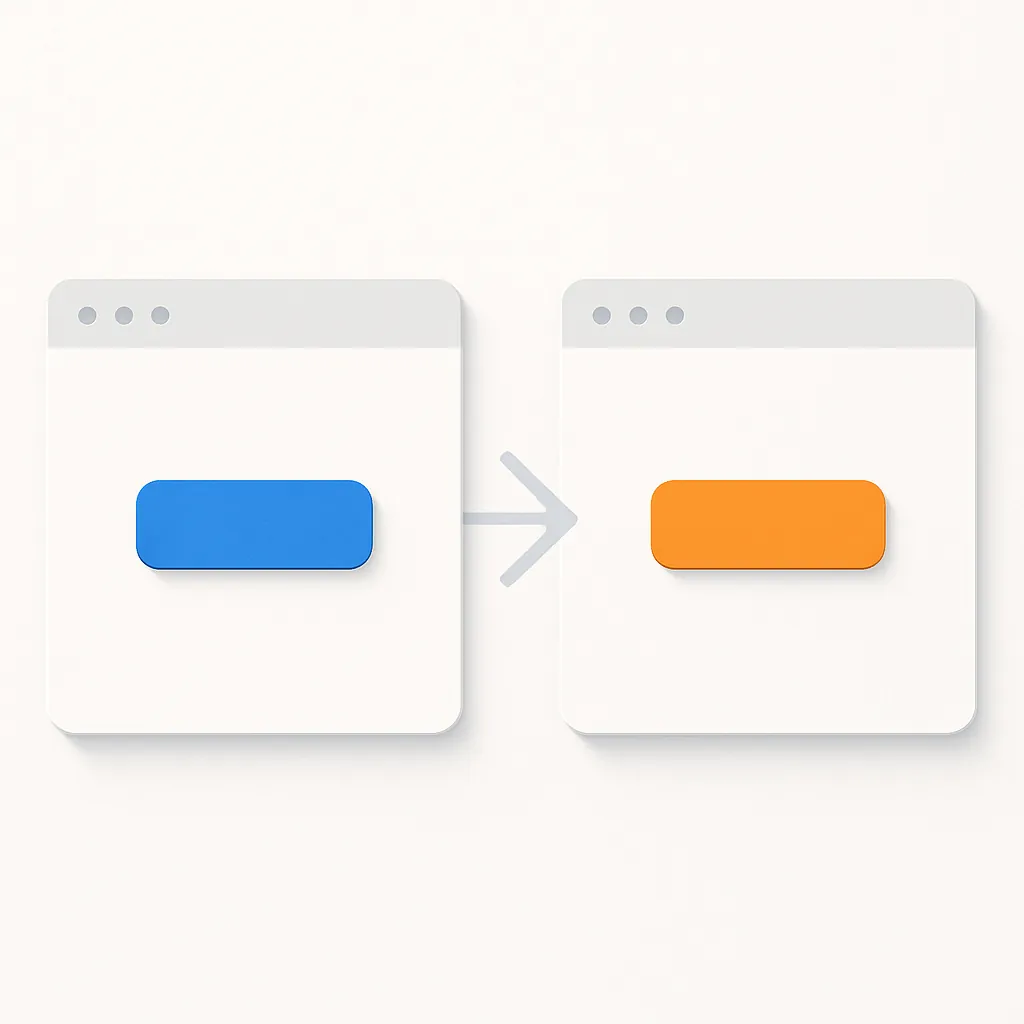
A/B testing (also called split testing) is a method of comparing two versions of a webpage to see which one performs better. Instead of relying on gut instinct, you let real visitors tell you what works. Even small changes, a different button colour, a reworded headline, or a shorter contact form, can dramatically increase the number of leads your website generates.
What Can You Actually Test?
You do not need a massive budget or a full-time developer to run meaningful tests. Here are some of the most impactful elements Australian small businesses can test:
- Headlines: Try a benefit-focused headline versus a feature-focused one. For example, 'Get Your Lawn Sorted Today' vs 'Professional Lawn Mowing in Brisbane'.
- Call-to-action buttons: Test the wording ('Get a Free Quote' vs 'Contact Us'), colour, size, and placement on the page.
- Contact forms: A long form with 10 fields will put people off. Test a shorter version asking only for name, email, and a brief message.
- Hero images or banners: Test a photo of your finished work versus a clean graphic with a strong offer.
- Pricing presentation: If you display packages, test different layouts, a simple list versus a comparison table.
- Social proof placement: Try moving your Google reviews or testimonials higher on the page and see if it lifts conversions.
How A/B Testing Works in Practice
Here is a simple process any small business owner can follow:
- Step 1, Pick one thing to test. Do not change five things at once. Start with the element most likely to affect conversions, such as your main call-to-action button.
- Step 2, Create your two versions. Version A is your current page. Version B has the single change you want to test.
- Step 3, Split your traffic. Use a tool to send 50 per cent of visitors to each version simultaneously.
- Step 4, Wait for enough data. Do not draw conclusions after just 20 visitors. Aim for at least 100 to 200 visitors per version before making a decision.
- Step 5, Analyse and act. Whichever version produces more clicks, form submissions, or sales is your winner. Make it your new baseline and start the next test.
Tools You Can Use in Australia
You do not need enterprise software to get started. These tools are accessible and affordable for small businesses:
- Google Optimize (now replaced by server-side options): Many Australian businesses now use VWO or Optimizely for straightforward split testing.
- Hotjar: While primarily a heatmap tool, Hotjar also lets you run simple experiments and is popular with Australian web designers and marketers.
- Unbounce: Ideal if you are running landing pages for Google Ads or Facebook Ads campaigns. It has built-in A/B testing and is used widely by Australian digital agencies.
- Your website platform: If you are on Shopify, it has native A/B testing features for product pages. Some WordPress plugins like Nelio A/B Testing also make this straightforward.
Common Mistakes Australian Small Businesses Make
A/B testing sounds simple, but there are a few pitfalls to avoid:
- Testing too many things at once. If you change the headline, button colour, and layout all at the same time, you will never know which change made the difference.
- Ending tests too early. A result after three days and 40 visitors is not reliable. Be patient and let the data accumulate.
- Ignoring mobile users. In Australia, more than 60 per cent of web traffic comes from mobile devices. Always check how your test versions look and perform on phones, not just desktops.
- Forgetting your goal. Before you start, define what success looks like, is it more phone calls, more form submissions, or more purchases? Make sure your testing tool is tracking the right metric.
How Much Difference Can It Really Make?
Consider a tradie in Melbourne getting 500 visitors a month to their website. If their current contact form converts at 2 per cent, that is 10 enquiries per month. By testing a simpler form and a stronger call-to-action, they increase that to 4 per cent, now they are getting 20 enquiries from the same traffic. That is double the leads with zero extra spend on advertising.
For an e-commerce business in Sydney selling homewares, moving a trust badge and customer review closer to the 'Add to Cart' button could lift checkout rates by several percentage points. Over a full year, those small gains compound into significant extra revenue.
When to Get Help
If you are not confident setting up tests yourself, or if your website platform makes it difficult, it is worth talking to a professional. A good web designer will not only set up the testing framework but also give you informed suggestions about what to test first based on your specific business and traffic patterns.
A/B testing is one of the smartest, lowest-risk ways to grow your business online, because every change you make is backed by real evidence from your actual customers. Ready to build a website that is built for testing and conversion from day one? Explore our small business web design services and see how we help Australian businesses turn more visitors into leads.